What does daily life in Historic Downtown Franklin actually feel like once the visitors head home and the weekend plans begin? If you are considering a move to Franklin, or simply trying to picture what living near Main Street would be like, it helps to look past the postcard charm and into the everyday rhythm. From walkable coffee runs to park access, local events, and practical parking, here is a clear look at what you can expect. Let’s dive in.
Historic Downtown Franklin at a Glance
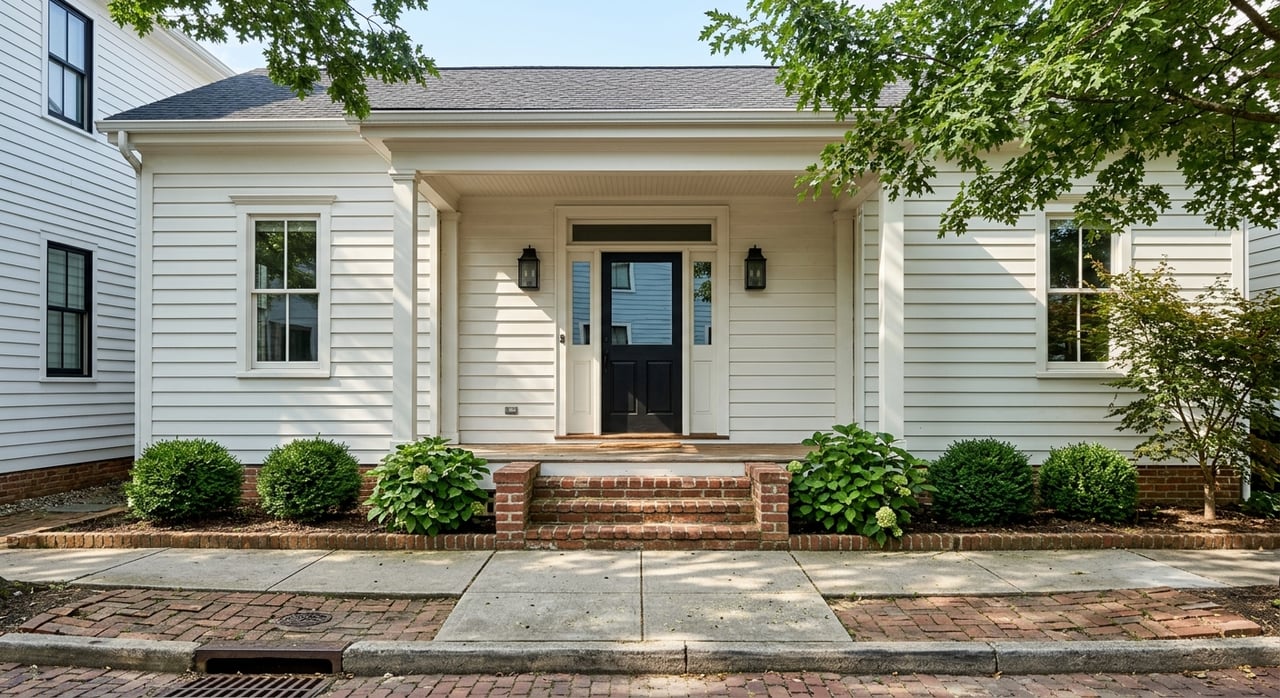
Historic Downtown Franklin is best described as a roughly 15 to 16 block Main Street district with a strong preservation focus. The area is known for brick sidewalks, landscaping, Victorian architecture, and renovated historic buildings, with some Main Street buildings dating as far back as 1799.
The district is listed on the National Register of Historic Places and has earned recognition as a Great American Main Street. At the same time, it is not frozen in time. The city’s Downtown District is intended to support a vibrant core with pedestrian-scale commercial, civic, and residential uses.
That mix shapes the feel of the area. You get a compact, historic center where shops, dining, homes, and public spaces sit close together, making short trips and spontaneous stops part of daily life.
What a Typical Day Looks Like
One of the biggest draws of downtown living is how easy it is to build small routines around walkable destinations. Instead of planning every errand around a longer drive, your day can include quick trips for coffee, a lunch meeting, or an evening outing close to home.
Morning options help set that tone. Downtown spots like Frothy Monkey, McGavock’s Coffee Bar & Provisions, the Coffee House at Second & Bridge, and Franklin Bakehouse support a casual coffee-and-breakfast routine in restored historic settings. Frothy Monkey, for example, opens daily at 7 a.m. and functions as an all-day café.
Later in the day, the downtown core stays active without feeling oversized. Lunch, dinner, and evening plans tend to cluster close together, which makes it easy to meet friends, grab a meal, or continue your evening without changing parts of town.
Dining and Entertainment Near Main Street
Historic Downtown Franklin offers a strong mix of restaurants, bars, and live music venues within a compact footprint. Local names highlighted by Visit Franklin include Gray’s on Main, 55 South, Puckett’s Restaurant, O’ Be Joyful, and Stable Reserve.
That variety matters in everyday life because it gives you options without requiring a big production. You can plan a casual dinner, a more social evening out, or a live music night and still stay within the same walkable district.
A few destinations add extra personality to the experience. Gray’s on Main offers live music on weekend nights and a Sunday jazz lunch, while Puckett’s is known for Southern food and live music. Just steps from Main Street, The Factory at Franklin expands your choices with more shopping, dining, and entertainment in a renovated 1929 industrial complex.
Shopping That Feels Local
If you prefer browsing local storefronts over big-box retail, downtown Franklin stands out. The retail environment leans heavily toward boutiques, antiques, art galleries, booksellers, and gift shops rather than large-format chain shopping.
That creates a very different daily rhythm. A quick walk downtown can turn into a stop at White’s Mercantile, Gallery 202, The Heirloom Shop, Landmark Booksellers, or The Cellar on Main, depending on what you need or what catches your attention.
For many buyers, this is part of downtown Franklin’s appeal. The area feels more like a place to stroll and discover than a place built around errands alone.
Events Shape the Downtown Experience
Downtown Franklin has a strong event calendar, and that energy is a major part of living here. If you like a place with a visible sense of community activity, the district delivers that throughout the year.
The first-Friday Art Crawl adds a recurring evening event centered around art, live music, and late shopping. Larger annual events help define the downtown identity even more. According to the Downtown Franklin Association, Main Street Festival, PumpkinFest, and Dickens of a Christmas together draw more than 350,000 attendees annually.
The city also lists annual events such as the Fourth of July celebration and the Veterans Day Parade. For residents, that means downtown can feel especially lively and busy during event weekends and festival season.
Parks and Green Space Nearby
Daily life downtown is not limited to storefronts and restaurants. One of the area’s strengths is how easily you can mix historic streetscapes with nearby outdoor space.
Pinkerton Park is a notable example. This 34-acre park includes a one-mile paved pedestrian track, playgrounds, picnic pavilions, and a bridge that connects the downtown area with the park.
The Park at Harlinsdale Farm adds even more room to spread out. The city describes it as a 200-acre passive park with soft trails, a dog park, and a pond for catch-and-release fishing.
Bicentennial Park is another useful amenity in everyday life. Its greenway starts near Margin and 2nd and runs through town to the Franklin Recreation Center, giving you a practical option for walking, jogging, or simply spending time outdoors in the heart of Franklin.
Trails, River Access, and Connections
Outdoor access around downtown has grown stronger through city improvements and trail connections. If you value being able to step away from the busiest blocks and get into a more natural setting, this is an important part of the lifestyle.
The city maintains canoe and kayak access sites along the Harpeth River. Recent projects have also improved connections between downtown, The Factory, Harlinsdale, and the broader trail network.
Two improvements stand out. A 2023 Franklin Road streetscape project strengthened connections in the area, and a 2024 pedestrian bridge over the Harpeth River added another link for getting between key destinations.
Getting Around Downtown Franklin
A common question about historic downtown areas is whether parking is difficult. In Franklin, the answer is more practical than many buyers expect.
The City of Franklin says downtown parking is free. On-street parking is generally limited to two hours, while the two city garages on 2nd Avenue South and 4th Avenue South each offer 300 spaces with no time limit, plus EV charging and ADA-related accommodations.
Transit also supports the district. Franklin Transit operates a downtown transit center at 708 Columbia Avenue, along with fixed-route service and Transit On Demand service six days a week throughout Franklin.
There is also a free lunchtime shuttle between Downtown Franklin and The Factory. As of the latest Franklin Transit update, it runs Monday through Friday every 15 minutes from 11 a.m. to 2 p.m., with approval currently running through June 30, 2026.
How Downtown Compares to Nearby Areas
If you are deciding where to focus your home search, it helps to compare downtown Franklin with nearby lifestyle options. Franklin’s planning documents describe places like Westhaven, Berry Farms, and Gateway Village as mixed-use town centers with housing, commercial uses, sidewalks, plazas, and bicycle amenities.
Cool Springs, by contrast, is described by the city as a business, dining, and shopping hub. That creates a different daily feel than the historic downtown core.
In practical terms, Historic Downtown Franklin tends to fit buyers who want historic charm, short walks, local storefronts, and a strong sense of place. Nearby mixed-use neighborhoods may appeal more if you prefer newer development and a more master-planned setting, while Cool Springs may feel more convenient if your routine revolves around retail, office space, and major corridors.
Who Downtown Franklin May Suit Best
Downtown Franklin is walkable, but it is not urban in a big-city sense. It is a small historic core with shops, restaurants, parks, and transit support, all packed into a compact footprint.
That makes it a strong fit if you want to be close to local dining, community events, and outdoor amenities while enjoying a setting with visible historic character. It can be especially appealing if you value being able to step out for coffee, dinner, or a park walk without making every outing a full drive across town.
At the same time, the busiest event weekends can bring more crowds and activity. For some buyers, that energy is part of the charm. For others, it is worth weighing against quieter, newer, or more suburban parts of Franklin.
If you are exploring homes in Franklin, the right fit often comes down to how you want your days to feel. A thoughtful home search should look beyond square footage and into the routines, access, and atmosphere that shape everyday life.
If you want help comparing downtown Franklin with other Franklin-area lifestyle options, Jason Rounsaville can help you narrow your search with local insight and a tailored approach.
FAQs
What is Historic Downtown Franklin like for everyday living?
- Historic Downtown Franklin offers a compact, walkable lifestyle built around local shops, restaurants, parks, events, and preserved historic character.
How big is Historic Downtown Franklin?
- The area is commonly described by official sources as a roughly 15 to 16 block Main Street historic district.
Are there parks near Historic Downtown Franklin?
- Yes. Nearby options include Pinkerton Park, The Park at Harlinsdale Farm, and Bicentennial Park, along with greenway and river access connections.
Is parking free in Downtown Franklin, Tennessee?
- Yes. The City of Franklin says downtown parking is free, with two-hour on-street spaces and two city garages that have no time limit.
Does Downtown Franklin have public transit?
- Yes. Franklin Transit serves downtown with a transit center, fixed-route service, Transit On Demand, and a free lunchtime shuttle between downtown and The Factory.
How does Downtown Franklin compare to Cool Springs or other Franklin areas?
- Downtown Franklin feels more historic, compact, and event-focused, while places like Westhaven, Berry Farms, and Gateway Village feel newer and more master-planned, and Cool Springs is more retail-and-office oriented.