Trying to choose between a brand-new home and a historic one in Franklin? You are not alone. In a city known for both steady growth and preserved character, that decision often comes down to how you want to live day to day, what level of maintenance feels comfortable, and how much flexibility you want as an owner. This guide will help you compare the real trade-offs so you can make a confident move in Franklin. Let’s dive in.
Why This Choice Matters in Franklin
Franklin offers a unique mix of growth and history. The city’s July 2024 population estimate was 89,142, up 6.7% from 2020, while Williamson County reached 269,136 residents with a median household income of $135,594. Those conditions help support demand for both newer, amenity-focused communities and older homes with established character.
That matters if you are buying here because Franklin is not a market where one style clearly wins. Instead, buyers tend to sort themselves by lifestyle priorities. Some want turnkey ease and built-in amenities, while others want architecture, setting, and a stronger connection to the city’s historic fabric.
What New Construction Looks Like
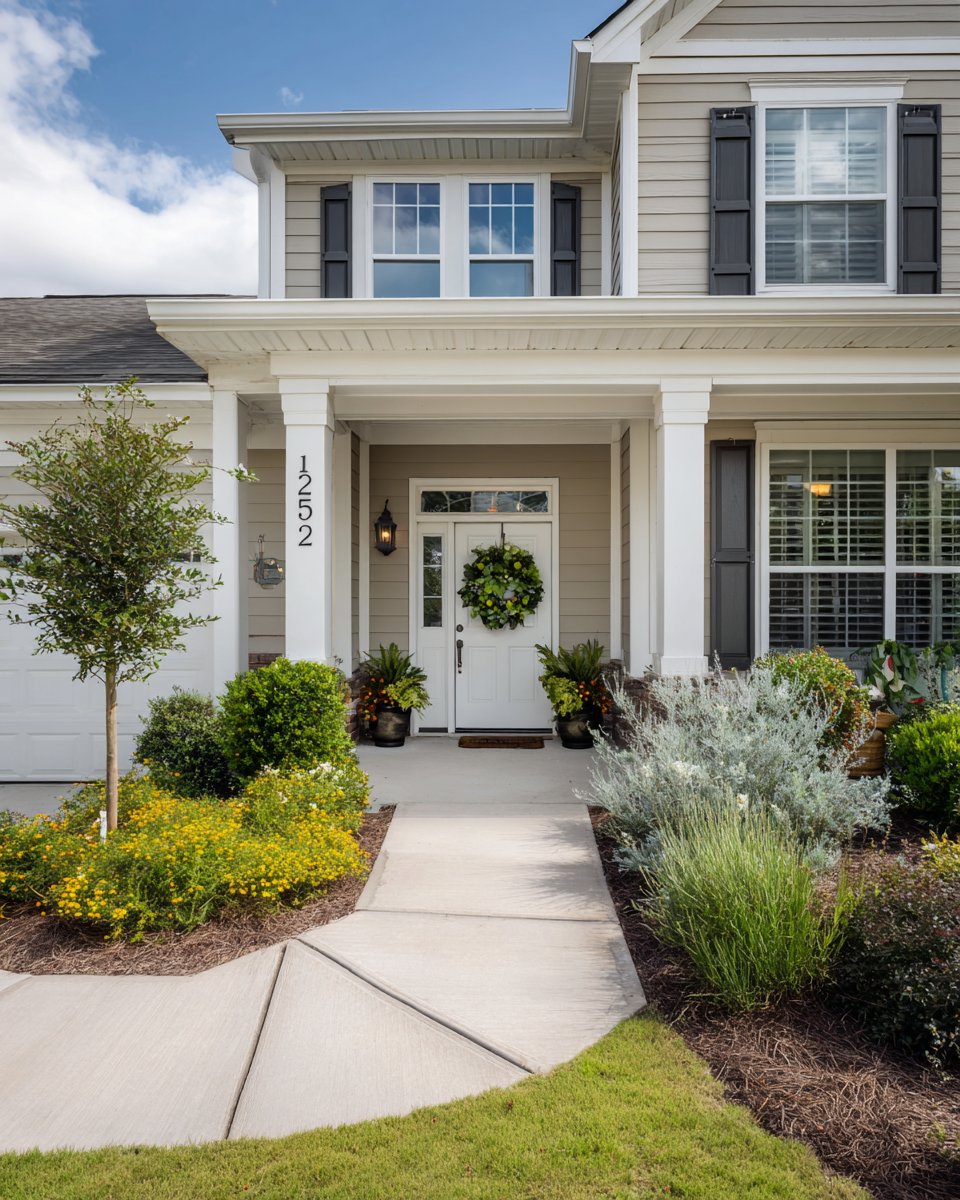
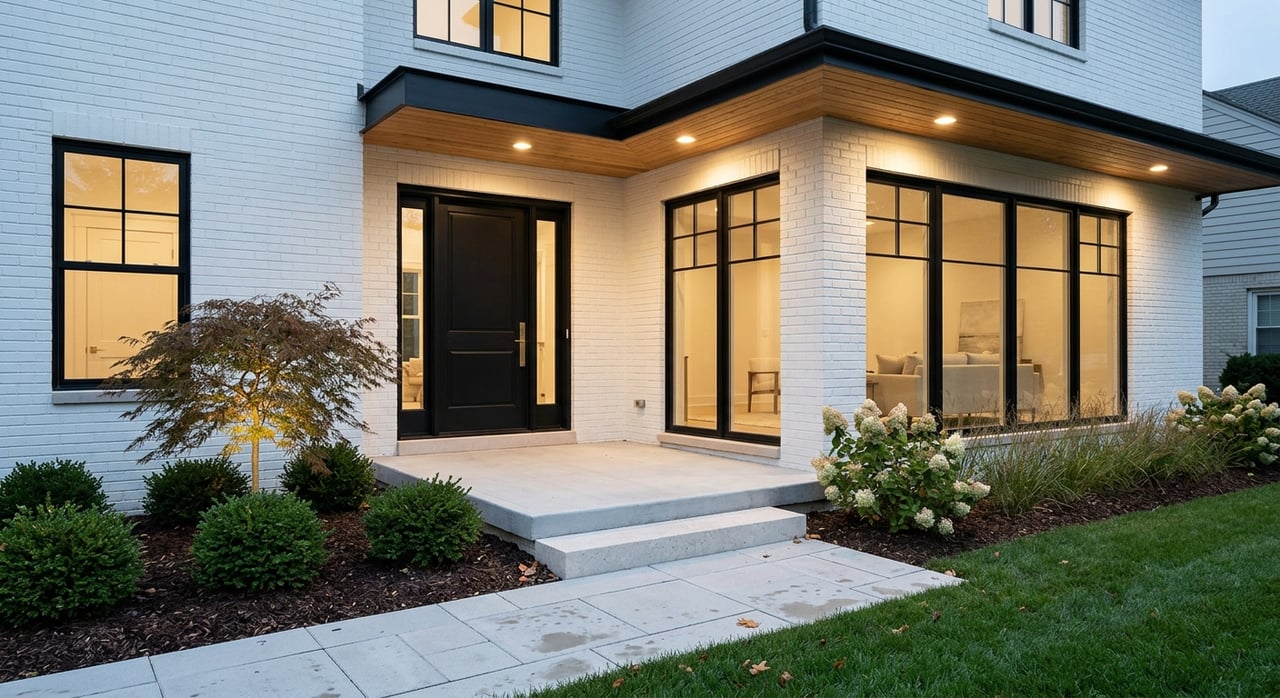
In Franklin, new construction often shows up in planned communities built around convenience and shared amenities. Westhaven and Berry Farms are two clear examples from the local market. They reflect the appeal of newer homes for buyers who want predictable systems, organized neighborhood features, and a more self-contained lifestyle.
Westhaven Lifestyle
Westhaven is a master-planned community with single-family homes, townhomes, condominiums, and a 55+ component. Amenities include a 15,000-square-foot clubhouse, fitness and movement spaces, an art center, pools, 9 miles of trails, 20 parks, tennis and pickleball courts, and an 18-hole golf course.
Its village center also includes restaurants, education, healthcare, professional services, shopping, sports, and pet care. For many buyers, that means errands and recreation feel built into everyday life. If you like the idea of neighborhood amenities doing a lot of the lifestyle work for you, this kind of setting can be a strong fit.
Berry Farms Convenience
Berry Farms is a 600-acre mixed-use master-planned community near the I-65 and Peytonsville Road interchange. Its neighborhoods are designed so residents are within a 5-minute walk of shops, restaurants, offices, parks, a pool and pool house, and bocce ball courts.
The broader plan includes more than 3 million square feet of office space and more than 1.8 million square feet of retail space. That creates a different kind of appeal than a historic neighborhood. If you value pedestrian-friendly streets and close access to work, shopping, and leisure, newer mixed-use planning may feel especially practical.
What Historic Franklin Looks Like
Historic and established Franklin neighborhoods offer a very different experience. Downtown Franklin is described by the city as a 15-block historic district with Main Street, brick sidewalks, Victorian architecture, and renovated historic buildings. The city also identifies late-19th- and early-to-mid-20th-century neighborhoods as part of Franklin’s historic fabric.
For buyers, that often translates into a stronger sense of place. You may be drawn to older streetscapes, preserved architecture, and the fact that these homes sit within a setting that cannot easily be recreated.
Downtown Character
Historic Franklin leans heavily into architecture and atmosphere. The city describes downtown as a destination for shopping, restaurants, antique shops, art galleries, and professional services inside the historic district.
That gives older homes and established neighborhoods a kind of built-in identity. If your idea of home includes mature surroundings, distinct facades, and a deeper connection to Franklin’s story, historic housing may feel more compelling than new construction.
Preservation Rules Matter
Historic charm also comes with added review in some areas. Within the Historic Preservation Overlay District, new construction, additions, and many exterior alterations are reviewed by the Historic Zoning Commission, and a Certificate of Appropriateness is required for many projects.
That is a major practical difference from buying outside a historic district. If you are the kind of buyer who wants to change windows, siding, roofing, dormers, awnings, masonry, or site features quickly, you will want to understand those rules before you buy.
Comparing Daily Lifestyle
The right choice often comes down to your routine. A new home in a planned community and an older home in historic Franklin can both be appealing, but they support daily life in very different ways.
New Communities and Built-In Amenities
Planned communities like Westhaven and Berry Farms are designed to make convenience easier. Trails, pools, gathering spaces, nearby services, and walkable commercial areas can reduce how much driving and planning your day requires.
For some buyers, that convenience is the point. If you know you will use parks, club facilities, fitness spaces, or neighborhood retail regularly, those amenities may shape your quality of life as much as the home itself.
Historic Areas and Sense of Place
Historic Franklin tends to offer more architectural texture and a more established physical setting. Rather than feeling curated around amenities, these areas tend to feel rooted in the city’s preserved identity.
That can be a better fit if you value atmosphere over planned features. You may be less focused on pools and clubhouses, and more drawn to brick sidewalks, older facades, and the feel of a long-established neighborhood.
Maintenance and Ownership Realities
A home’s age affects more than appearance. It can shape your first-year costs, your renovation plans, and how predictable ownership feels.
New Homes and Predictability
The U.S. Department of Energy says certified new homes are built to rigorous efficiency and performance criteria and are intended to deliver energy savings, comfort, health, and durability. The FTC also notes that builder warranties often cover workmanship and materials during the first year, systems such as HVAC, plumbing, and electrical for about two years, and some major structural defects for up to 10 years depending on the builder.
In practical terms, that often means fewer immediate repair items and more predictability early on. If you want a home that may require less upfront maintenance attention, new construction can offer peace of mind.
Older Homes and Due Diligence
Older and historic homes can offer character that newer homes often cannot replicate. At the same time, the Department of Energy notes that many older homes have less insulation than homes built today and recommends home energy assessments to identify air leaks, insulation gaps, and other inefficiencies.
That means due diligence matters. If you are considering an older home, it is wise to think beyond finishes and layout and pay close attention to efficiency, systems, and the likely pace of future repairs or upgrades.
Renovation Flexibility
Renovation freedom is another major distinction. Franklin’s historic district guidelines cover additions, window replacement, siding or masonry changes, roofing, dormers, awnings, site features, and demolition, and many of those changes require Certificate of Appropriateness review.
For the right buyer, that process is worth it because it helps preserve the look and feel of the area. But if you want to personalize exteriors freely or move quickly on visible updates, that review process can feel restrictive.
Costs Beyond the Purchase Price
When buyers compare new construction and historic homes, they often focus first on list price. In Franklin, the smarter comparison usually includes carrying costs and ownership structure.
HOA Dues in Planned Communities
The CFPB says homeowners association dues are usually paid separately from the mortgage and may apply in planned subdivisions or organized communities. It also notes that dues can range from a few hundred dollars a month to more than $1,000 a month.
That does not mean planned communities are too expensive. It means you should weigh what you are paying for, how often you will use the amenities, and whether the dues support your lifestyle priorities.
Insurance and Property Condition
The CFPB also notes that homeowner’s insurance costs depend on factors such as rebuild cost, disaster risk, property characteristics, condition, roof, electrical systems, and year built. In other words, new and older homes can carry different cost profiles even when the purchase prices seem comparable.
A newer home may offer advantages tied to systems and condition, while an older home may present a different insurance picture because of age or rebuild complexity. Looking at monthly ownership costs in full can help you avoid surprises.
Resale in Franklin
Franklin’s growth supports demand across multiple home styles. A growing population and Williamson County’s strong income profile generally widen the pool of buyers interested in both newer communities and older neighborhoods.
Still, resale usually comes down to buyer match. A newer home may appeal to buyers who want convenience, community amenities, and more predictable maintenance, while a historic or established home may attract buyers focused on architecture, downtown proximity, and limited character-rich inventory.
That is why the best long-term choice is often the one that aligns with how you actually plan to live. In Franklin, age alone rarely tells the whole story.
How to Decide What Fits You
If you are torn, start by getting honest about your priorities. Think about whether you care more about walkability to shops and services, architectural character, access to amenities, lower-maintenance systems, or freedom to renovate.
A simple checklist can help:
- Choose new construction if you value predictable systems, modern efficiency, neighborhood amenities, and a more turnkey ownership experience.
- Choose a historic or older home if you value established surroundings, preserved architecture, downtown character, and a setting with a strong sense of place.
- Look closely at rules and recurring costs either way, including HOA dues in planned communities and preservation review in historic districts.
- Compare ownership reality, not just purchase price, including maintenance expectations, insurance factors, and renovation flexibility.
The right answer in Franklin is usually not about whether one option is better. It is about which trade-offs feel worth it to you.
If you want help narrowing your options in Franklin, Jason Rounsaville offers a high-touch, informed approach that helps you compare homes through both a lifestyle and investment lens.
FAQs
What is the biggest difference between new construction and historic homes in Franklin?
- The biggest difference is usually lifestyle fit. New construction often offers built-in amenities and more predictable maintenance, while historic homes offer established character, preserved architecture, and different renovation rules in some areas.
Do historic homes in Franklin have renovation restrictions?
- Yes, homes within the Historic Preservation Overlay District may require review by the Historic Zoning Commission and a Certificate of Appropriateness for many exterior changes, additions, and related projects.
Are new construction communities in Franklin walkable?
- Some are designed with walkability in mind. For example, Berry Farms is planned so residents are within a 5-minute walk of shops, restaurants, offices, parks, and other amenities.
Do new homes in Franklin usually have lower maintenance needs?
- They often offer more predictability upfront. New homes may include builder warranties and may have efficiency and performance advantages compared with many older homes.
Are HOA dues common in Franklin new construction communities?
- They can be. Planned subdivisions and organized communities often have HOA dues, and those costs are typically separate from your mortgage.
Is resale stronger for new construction or historic homes in Franklin?
- Resale strength often depends on the buyer pool for that home. Newer homes may attract buyers seeking convenience and amenities, while historic homes may appeal to buyers who value architecture, downtown proximity, and limited character-rich inventory.