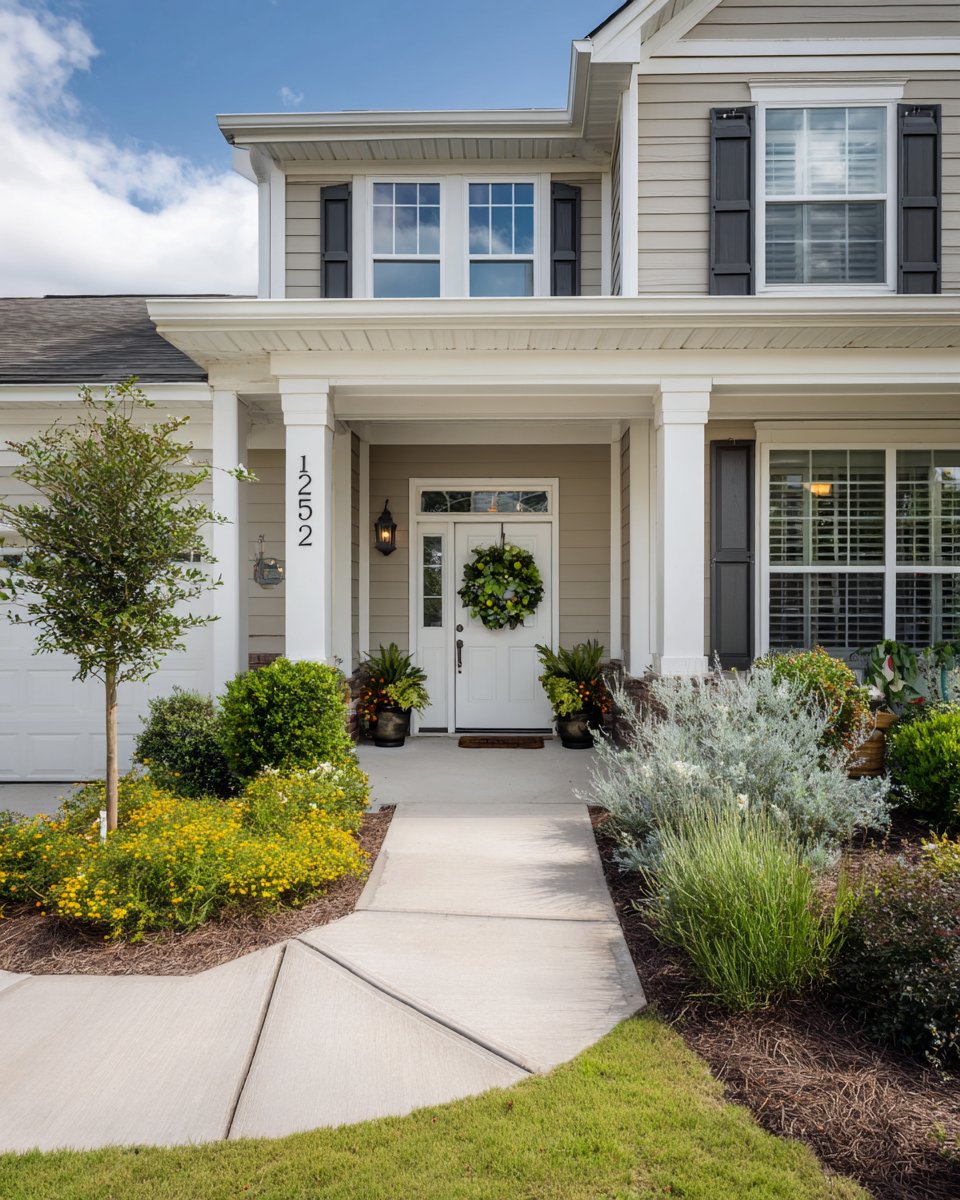
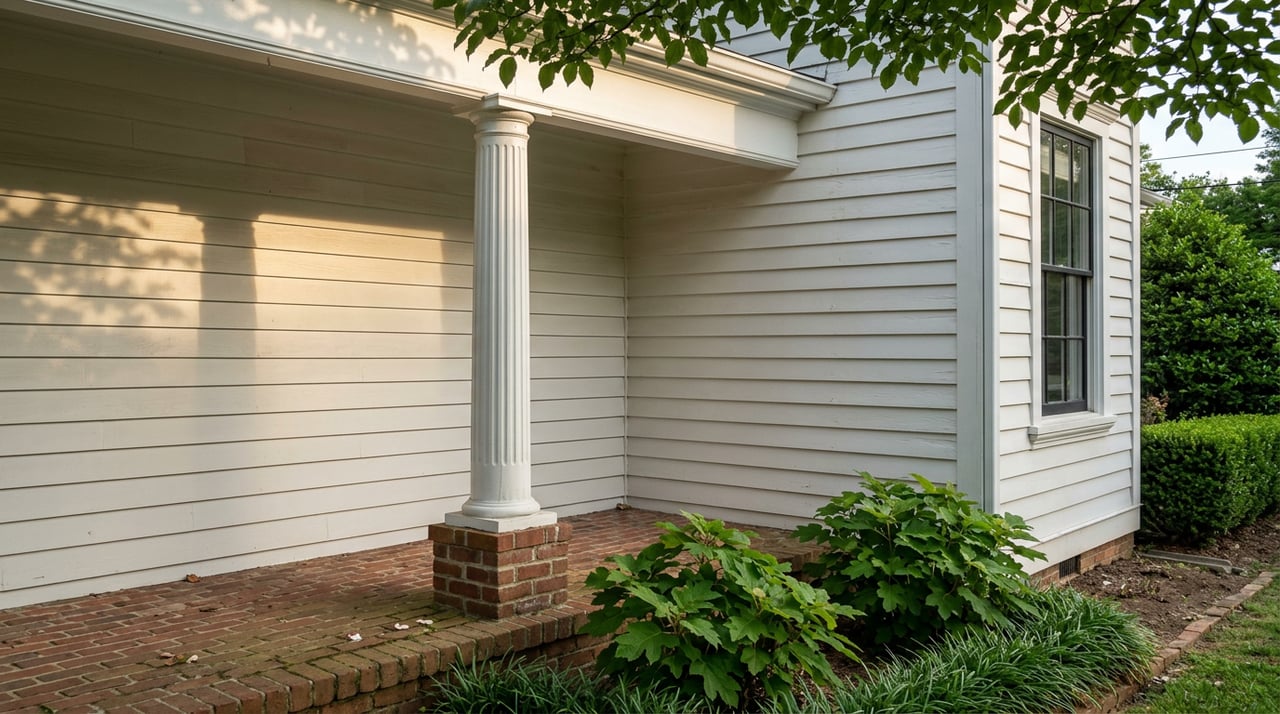
A homeowner in downtown Franklin picks a paint color, signs a contract with a painter, and plans to have the house camera-ready in three weeks. Then a letter arrives. The color on file with the Certificate of Appropriateness application does not match what the crew is standing by to apply, or the application was returned with a request for more justification, and the project stops. Not because the paint takes longer to dry. As Allbright Pro Painting notes, the next chance to fix it is next month's meeting.
That is the part about renovating inside Franklin's Historic Preservation Overlay that most guides skip past. Everyone who has researched a historic Franklin property already knows many exterior changes need approval from the Historic Zoning Commission. What catches sellers and buyers off guard is not the requirement itself. It is that the approval runs on a monthly clock that has nothing to do with how fast a contractor can work, and that clock rarely lines up with a 30 to 45 day closing window.
What Actually Triggers a Review
Franklin's Historic Zoning Commission, nine citizen appointees drawn from architecture, preservation, planning, and the community, reviews demolition and exterior changes to buildings inside the Historic Preservation Overlay. The commission bases its decisions on the city's adopted design guidelines, the zoning ordinance, and the Secretary of the Interior's Standards for Rehabilitation.
That much is public record and easy to find. The mechanism that actually determines your timeline is buried a layer deeper.
The Part That Costs You Real Time
The Historic Zoning Commission meets once a month. A Certificate of Appropriateness application has to be submitted at least five working days ahead of that meeting to make the agenda. If the application is approved as submitted, the project moves forward on a fairly normal schedule. If it comes back with conditions or gets denied, the homeowner does not get another shot the following week. The next opportunity is the next monthly meeting.
That single fact changes the math on a renovation timeline more than any contractor's schedule does. A standard exterior repaint in Middle Tennessee, outside a historic overlay, runs on a calendar the homeowner controls: pick a color, sign a contract, get on the schedule, paint the house. For work requiring commission review inside the overlay, the first step belongs to the commission, and a missed submission window or a returned application does not cost days. It costs a month, sometimes two, depending on how many rounds of resubmission the color or material justification requires.
Compare that to a typical closing timeline. A buyer under contract with a 30 to 45 day close has almost no room to absorb a rejected COA application, because a single denial can eat the entire escrow period on its own. A seller trying to get a repaint done before listing photos faces the same problem in reverse: the work itself might take three or four days, but the approval to start it can take three months if the first submission is not framed the way the commission needs to see it.
The Rear-Facade Exception Worth Knowing About
Not every visible change requires a trip through the full monthly cycle. The City of Franklin says its process includes an Administrative Certificate of Appropriateness for minor alterations that do not substantially affect a property's exterior appearance, including changes to non-historic components on rear or obscured facades, such as a rear door or a non-historic window swap that does not alter the footprint or roofline. Staff can process these without waiting for the commission's agenda.
This matters most for owners doing work that will never be seen from the street. If a project is confined to the back of the house or to a non-original addition, it is worth a direct conversation with the city's preservation staff before assuming the work is captive to the monthly meeting calendar. The difference between an administrative sign-off and a full commission review can be the difference between a two-week delay and a two-month one.
A Second Clock Layered on Top
Homes built before 1978 carry an entirely separate compliance requirement that has nothing to do with the Historic Zoning Commission and everything to do with federal lead paint rules. The EPA's Renovation, Repair, and Painting Rule requires any contractor disturbing more than 20 square feet of exterior paint, or 6 square feet of interior paint, on a pre-1978 home to be an EPA Lead-Safe Certified Firm using certified renovators. That means containment, wet sanding instead of dry sanding, HEPA-vacuum cleanup, and documented post-project verification.
A homeowner can clear the design review with a well-justified color choice and still hit a wall if the contractor they hired is not lead-safe certified. The two processes run independently. Clearing one does not clear the other, and a project that satisfies the Historic Zoning Commission but skips lead-safe protocols on an older home creates its own kind of exposure, both in terms of compliance and in terms of what a buyer's inspector will flag later.
Who Is Legally Allowed to Pull the Permit
Franklin's building code adds one more variable. The City of Franklin says that if the cost of the work exceeds $25,000, a State of Tennessee licensed contractor has to pull the permit, along with proof of license and insurance. Below that threshold, a homeowner or an unlicensed contractor can pull it themselves. For a downtown Franklin renovation, the line between a licensed and unlicensed permit often determines whether the paperwork trail looks clean to a future buyer's agent or raises questions during due diligence, since incomplete permit history is one of the first things a knowledgeable buyer will ask a seller to produce.
Building a Timeline That Actually Holds
For sellers with a listing date in mind, the practical move is to start the Certificate of Appropriateness conversation with preservation staff well before the target date, not once photography is already booked. Franklin's process allows for an informal Design Review Committee meeting ahead of a formal application, where commission members can give guidance before anything goes on the official agenda. That early conversation is the best insurance against a submission that comes back for revision and lands you in next month's meeting instead of this month's.
For buyers, the equivalent move is asking the seller or listing agent for prior Certificates of Appropriateness, permit records, and contractor documentation before getting attached to a property. A gap in that paperwork is not automatically disqualifying, but it is a signal to budget extra time and a design contingency into the offer, since any exterior work you plan after closing that requires commission review will run on the same monthly calendar the prior owner did.
A Few Questions Worth Settling Early
Does this apply to every older-looking home in Franklin, or only specific blocks? The requirement applies to properties inside the city's designated Historic Preservation Overlay, not simply any home that looks old. Confirming overlay status with the city before assuming a property is subject to review, or assuming it isn't, is a five-minute check that prevents a lot of downstream confusion.
If I'm repainting the exact same color, do I still need approval? A brick or stone facade that has never been painted cannot be painted on the homeowner's decision alone, since that is itself a material change subject to review. A like-for-like repaint of an already-painted surface has an easier path.
Does any of this touch interior renovations? The Historic Zoning Commission's authority is tied to exterior appearance and material changes visible from the district. Interior work generally sits outside its review, though standard building permits and, for pre-1978 homes, lead-safe painting rules still apply wherever painted surfaces are disturbed.
Franklin's historic core is one of the reasons buyers seek out this address in the first place, and the review process exists to protect the character that makes it worth seeking out. None of that changes the fact that the calendar behind the process, not the scope of the work, is what most often turns a straightforward renovation into a delayed one. Knowing where the monthly deadline sits, what qualifies for an administrative shortcut, and which compliance layer applies to a pre-1978 structure is the difference between a smooth listing timeline and a scramble two weeks before photos are due.
If you are weighing a renovation before listing a historic Franklin property, or you are under contract on one and want to understand what the paperwork trail actually says about the work ahead, The Rounsaville Group can walk through the specifics with you. Request a Private Consultation and we will help you build a timeline that accounts for the calendar you cannot control before it accounts for the one you can.
This article is general information, not legal, tax or financial advice. Consult a qualified professional about your situation.